DJI didn't simply introduce the EV50 with a product launch - it chose to demonstrate its capabilities in one of the most demanding environments on Earth.
Earlier this year, during a 12-day scientific expedition on Mount Everest, the DJI EV50 achieved an operating altitude of 8,861 metres, flying 12 metres above the summit of Mount Everest and setting a new benchmark for high-altitude operations by an electric VTOL cargo drone.
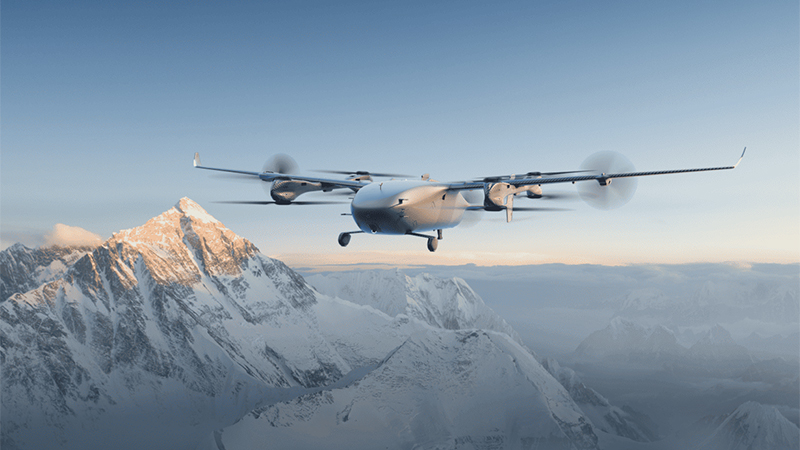
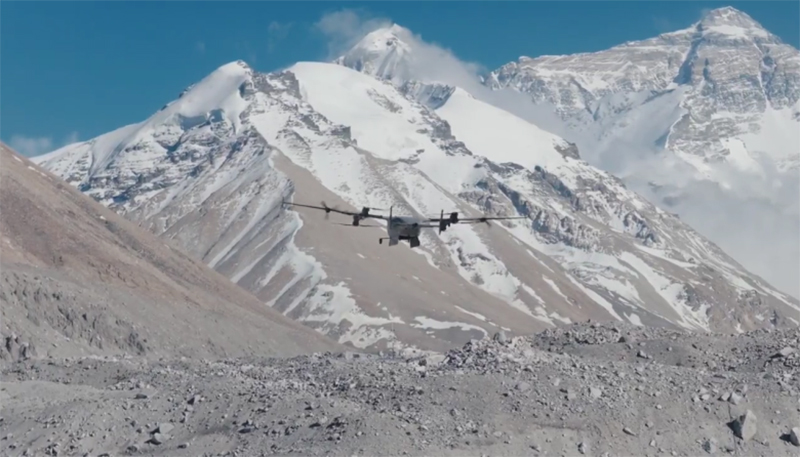
Throughout the expedition, the EV50 successfully completed 32 autonomous missions, including 12 dedicated scientific flights carrying atmospheric monitoring equipment. Operating from Everest Base Camp at an altitude of 5,200 metres, the aircraft climbed an incredible 3,730 metres in a single flight to reach its observation altitude.
These missions were carried out in collaboration with researchers from Peking University's College of Environmental Science and Engineering, who have long faced significant challenges collecting atmospheric data above 8,000 metres. Traditional methods - including manned expeditions, weather balloons, fuel-powered aircraft and conventional multirotor drones - have all presented operational limitations in the extreme conditions found at these altitudes.
According to Professor Ye Chunxiang, who led the scientific expedition, the EV50's fully electric propulsion system enabled researchers to safely observe glacier wind systems and collect valuable atmospheric data that could contribute to future climate change research and improve understanding of the Qinghai-Tibet Plateau's unique atmospheric environment.
Rather than serving as a publicity stunt, the Everest mission demonstrated the EV50's ability to operate reliably in extreme altitude, freezing temperatures, thin air and unpredictable mountain winds - conditions that represent one of the toughest real-world tests any unmanned aircraft can face.
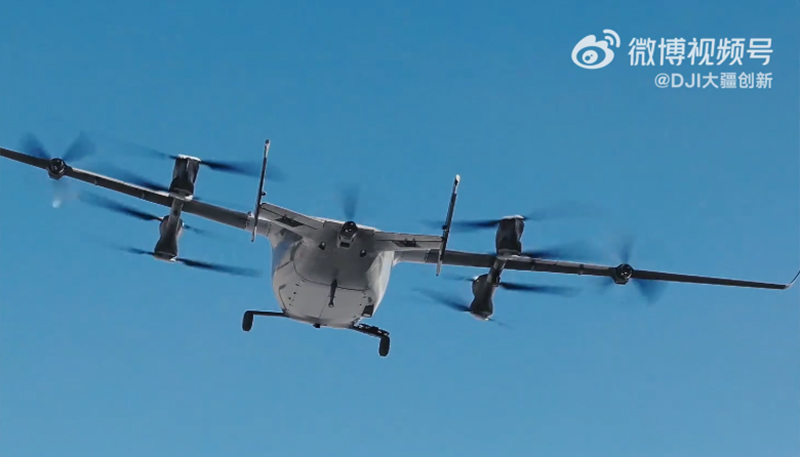
Unlike DJI's multirotor FlyCart series, the EV50 has been engineered as a hybrid fixed-wing VTOL cargo aircraft, combining the flexibility of vertical take-off and landing with the efficiency of conventional fixed-wing flight.
The aircraft uses eight vertical lift rotors to take off and land without the need for a runway before transitioning to three forward propulsion motors for efficient cruise flight.
Its impressive specifications include:
Maximum payload: 50 kg
Maximum cargo volume: 270 litres
Maximum range: 150 km (without payload)
Maximum speed: 160 km/h
Vertical Take-Off and Landing (VTOL): No runway required
To maximise reliability during critical missions, DJI has equipped the EV50 with several layers of redundancy, including four independent battery systems, dual thermal management systems, an anti-icing pitot tube, and an emergency ballistic parachute, ensuring continued operation even in demanding environments.
The EV50 represents the next step in DJI's growing investment in autonomous aerial logistics.
In 2024, DJI's FlyCart 30 made headlines by completing what the company described as the world's first drone delivery missions on Mount Everest, transporting oxygen cylinders, supplies and equipment between Everest Base Camp and Camp 1 while also carrying waste back down the mountain.
While the FlyCart 30 demonstrated the potential of heavy-lift multirotor logistics, the new EV50 takes the concept even further. Its fixed-wing VTOL design provides significantly greater speed, range and efficiency, making it far better suited for regional cargo transport, emergency response, scientific expeditions and long-distance logistics where traditional multirotor aircraft become impractical.
The launch of the EV50 further expands DJI's industrial drone portfolio and reinforces the company's ambition to become a leader not only in aerial imaging, but also in the future of autonomous cargo transportation.
If you fly a drone in Malta, an important change is coming that could have...
READ MORE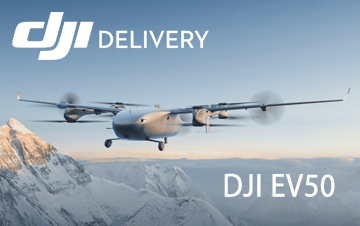
Record-Breaking Performance on Mount Everest DJI didn't simply introduce the EV50 with a product...
READ MORE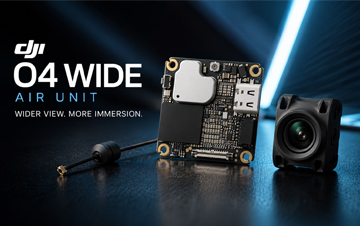
DJI has officially expanded its FPV ecosystem with the launch of the new DJI O4...
READ MORE
DJI has just teased its upcoming FPV drone with the tagline “Above It All, See...
READ MORE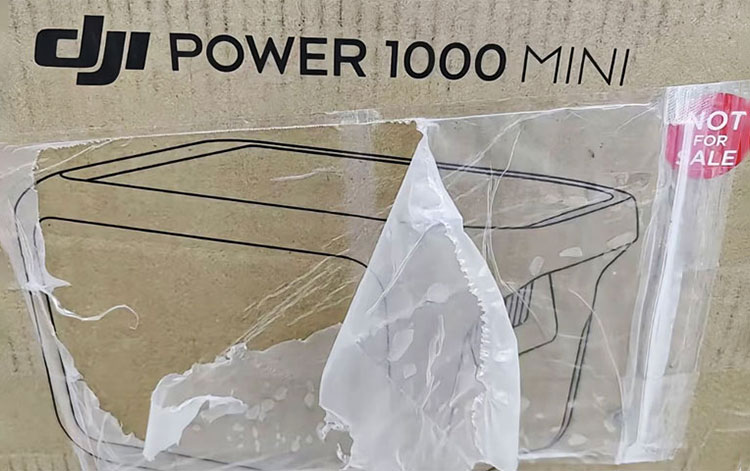
DJI has just confirmed a new energy solution designed for creators, field shooters, and travel...
READ MORE
As someone who has built a professional workflow around drones, I rarely get emotional about...
READ MORE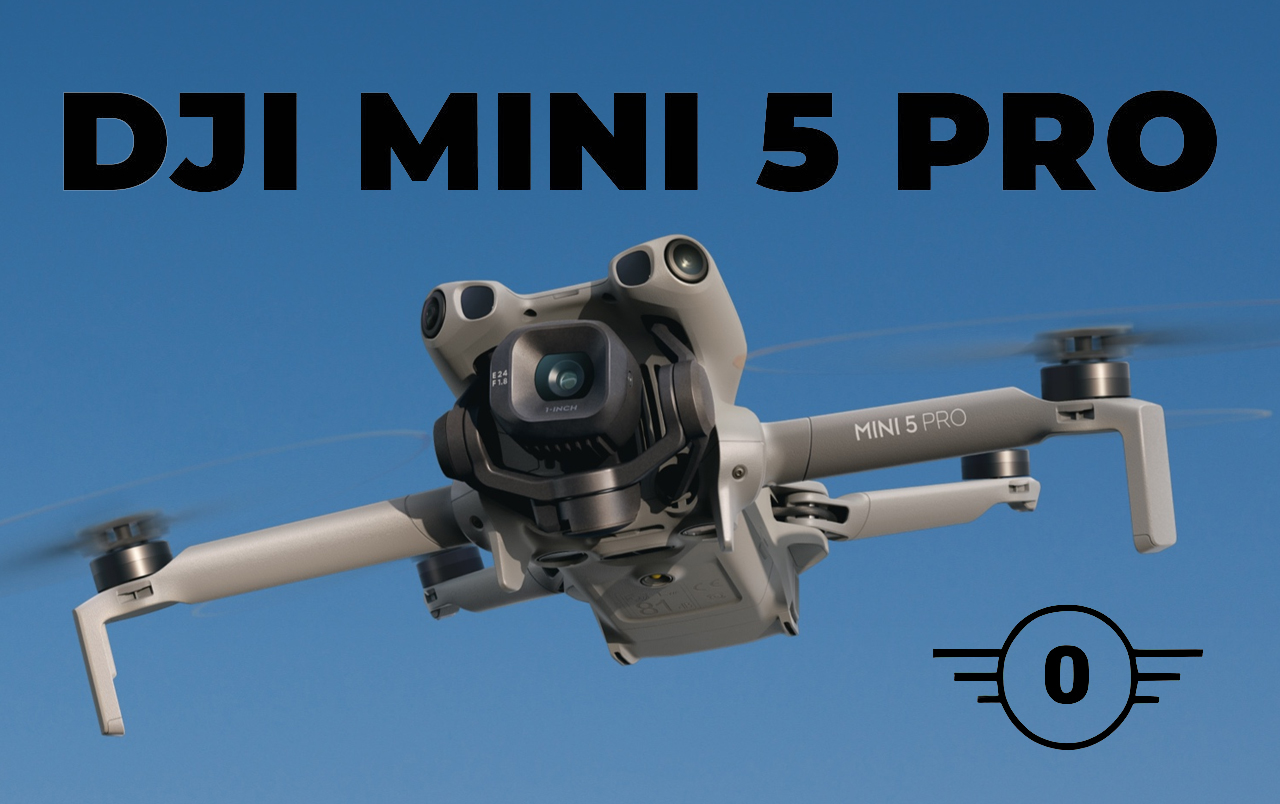
When DJI released the Mini 5 Pro , one of the biggest debates among drone...
READ MORE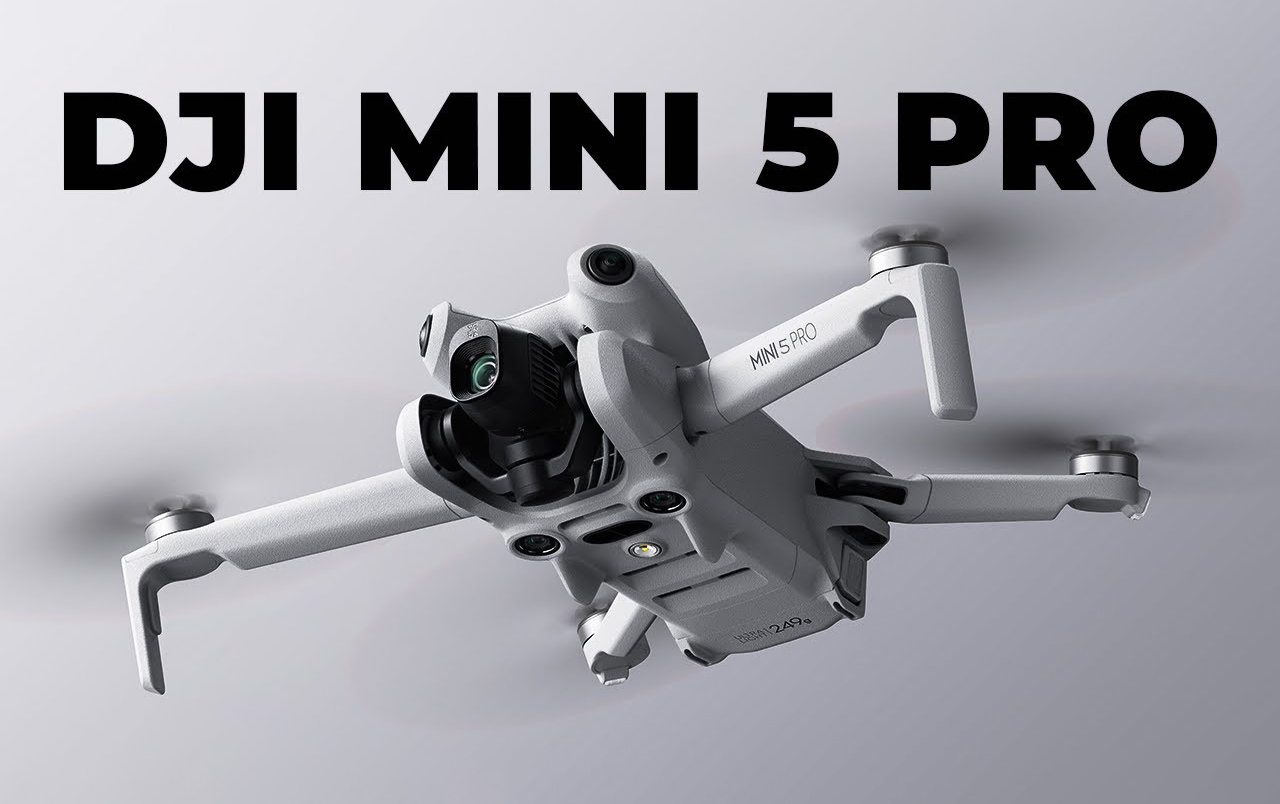
1. Design & Obstacle Detection From leaked images, the Mini 5 Pro closely...
READ MORE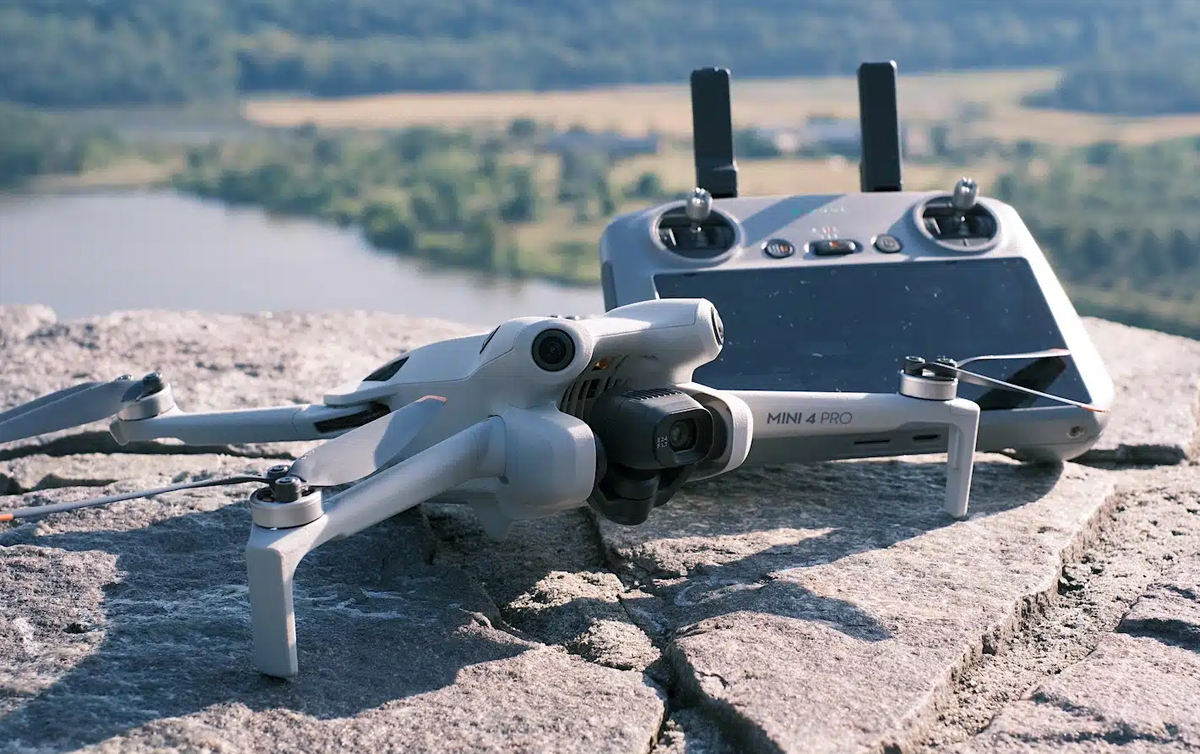
ðŸ›¡ï¸ Insurance Is Mandatory Whether you’re flying for fun or for work, drone insurance...
READ MORE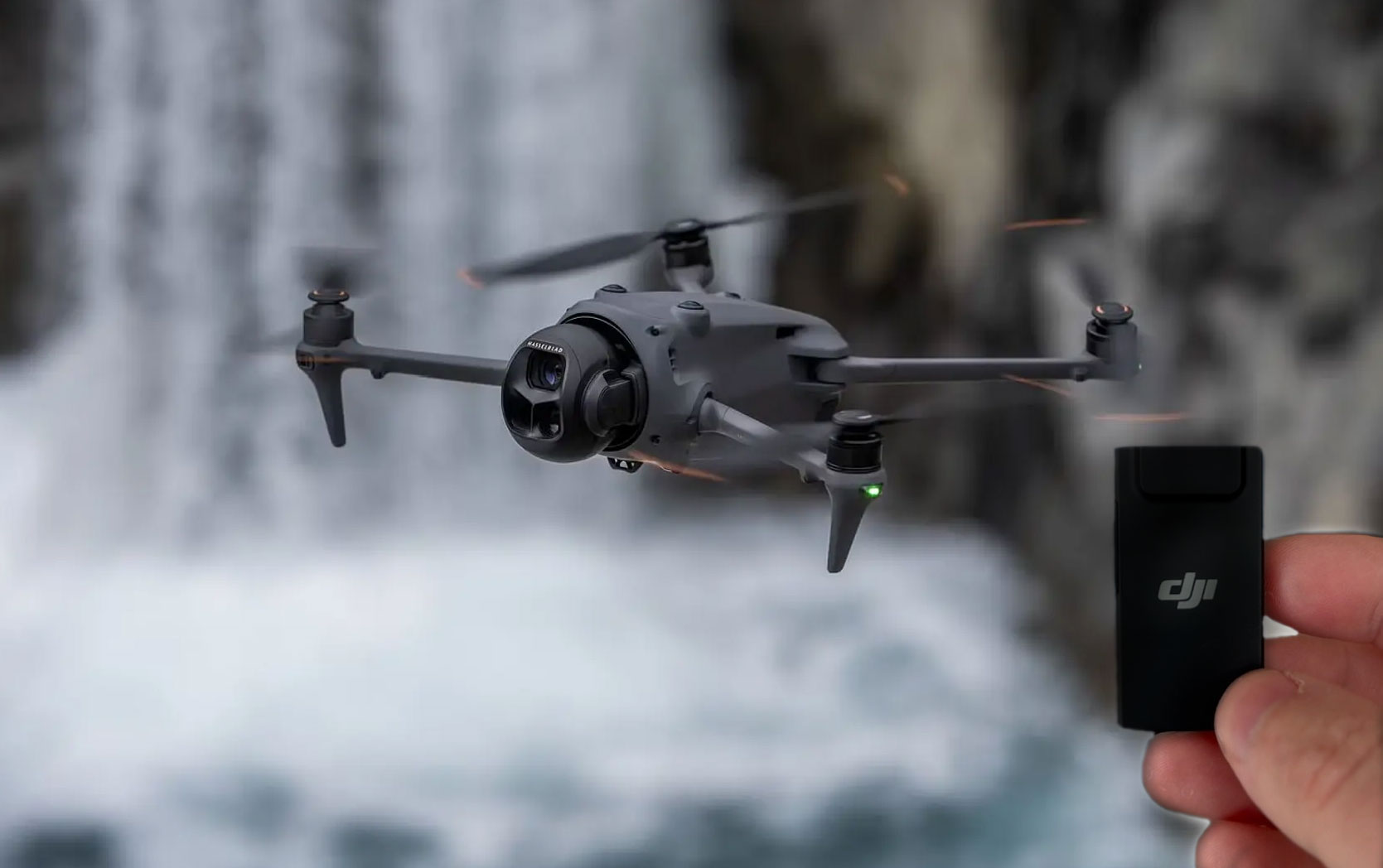
The DJI Mavic 4 Pro represents a bold step forward in drone technology, built for...
READ MORE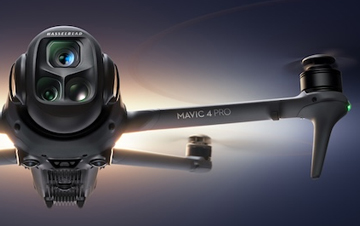
I finally received my DJI Mavic 4 Pro last Thursday after months of eagerly waiting...
READ MORE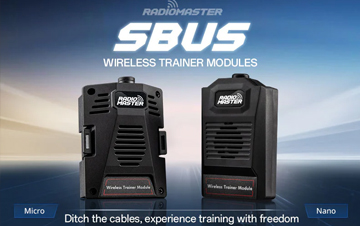
Radiomaster has recently launched the SBUS Wireless Trainer Module , a compact and affordable solution...
READ MORE